The Ultimate Guide to Asian Dumplings
Discover popular Asian dumplings, from Japanese gyoza to Chinese xiao long bao. Learn about their origins, fillings, wrappers, and cooking methods.
Read more
Asian dumplings are among the world's most beloved comfort foods, enjoyed in countless forms across China, Japan, Korea, Thailand, Vietnam, and many other parts of Asia. Whether they are steamed, pan-fried, boiled, or served in a flavorful broth, dumplings have become a staple of Asian cuisine and a favorite choice for takeout and delivery.
Although they share the same basic concept of wrapping flavorful fillings in dough or starch wrappers, Asian dumplings are incredibly diverse. Some feature thin, delicate wrappers filled with seafood or vegetables, while others have thicker wrappers designed to hold hearty meat fillings or rich soup. Each region has developed its own unique dumpling traditions, flavors, and cooking techniques.
Beyond their delicious flavors, dumplings also carry deep cultural meaning. In many Asian cultures, preparing dumplings is a family tradition often enjoyed during holidays, festivals, and special gatherings. The process of folding wrappers and sharing meals together represents connection, good fortune, and celebration.
Today, dumplings continue to bring people together, whether enjoyed during dim sum brunches, family dinners, or ordered online from local restaurants through Springroll.com. If you’re craving authentic Asian dumplings, Springroll makes it easy to discover restaurants near you offering favorites like crispy gyoza, juicy potstickers, delicate soup dumplings, and more.
In this guide, we’ll explore some of the most popular Asian dumplings, what makes each one unique, and why these small bites have become favorites around the world.
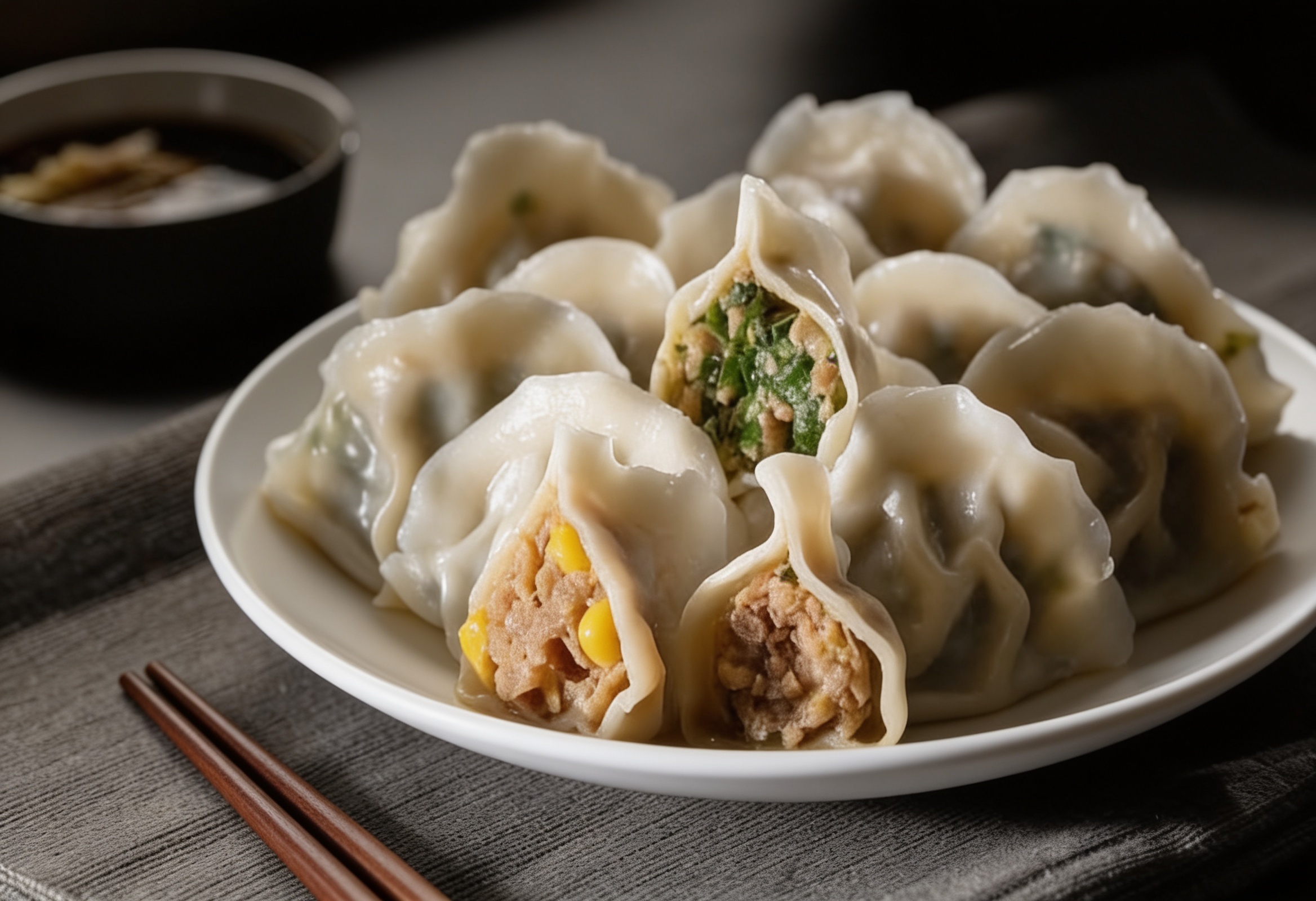
Many of today's most popular dumplings can trace their roots back to jiaozi, one of China's oldest and most iconic dishes. Believed to have originated more than 1,800 years ago, jiaozi have become deeply woven into Chinese culture and are especially associated with Lunar New Year celebrations.
Their crescent shape resembles ancient Chinese gold ingots, making them a symbol of prosperity and good fortune. Families often gather before the New Year to prepare dozens or even hundreds of dumplings together, turning the cooking process into a meaningful family tradition.
Traditional fillings usually combine ground pork with Napa cabbage, garlic chives, ginger, and aromatic seasonings. However, modern restaurants offer countless variations featuring beef, chicken, shrimp, mushrooms, or vegetarian ingredients.
Jiaozi can be prepared in several ways. Boiled dumplings are especially common in northern China, while pan-fried versions—sometimes called potstickers—offer a delicious combination of crispy bottoms and juicy fillings. Steamed jiaozi are another popular option for diners looking for a lighter preparation.
If you'd like to explore more of China's diverse culinary traditions, our guide to 6 Regional Chinese Cuisines You Should Know (and What to Order) highlights how flavors and specialties vary across the country, from Sichuan's bold spices to Cantonese dim sum.

Few dumplings inspire as much excitement as xiao long bao, often referred to as soup dumplings. Originating in Shanghai, these delicate steamed dumplings are celebrated for the rich broth hidden inside each wrapper.
Creating xiao long bao requires considerable skill. Rather than pouring soup into the dumpling, chefs prepare a flavorful broth that is chilled until it becomes gelatin. Small cubes of this gelatin are mixed with the seasoned pork filling before the dumplings are carefully folded. During steaming, the gelatin melts into a hot, savory soup that fills the inside of the dumpling.
Because the broth can be extremely hot, xiao long bao are best enjoyed carefully. Many diners place one on a spoon, gently bite a small opening in the wrapper, sip the broth, and then enjoy the remaining dumpling with black vinegar and thin slices of fresh ginger.
The balance between the delicate wrapper, juicy pork filling, and flavorful soup has made xiao long bao one of China's most celebrated culinary creations. Today, they're a highlight at dim sum restaurants and Shanghai-style eateries around the world.
If reading about these dumplings has you feeling hungry, explore Chinese restaurants on Springroll.com. Many partner restaurants offer dim sum favorites like har gow, siu mai, potstickers, wontons, and other delicious dumplings that you can conveniently order online.

Another classic Chinese dumpling is har gow, one of the signature dishes found at Cantonese dim sum restaurants.
Har gow is known for its translucent wrapper, which is made using wheat starch and tapioca starch rather than traditional wheat flour. This creates a slightly chewy texture while allowing the pink shrimp filling to be visible through the wrapper.
Inside, fresh shrimp are typically combined with finely chopped bamboo shoots, adding a pleasant crunch that contrasts beautifully with the tender wrapper. Skilled dim sum chefs often create numerous pleats along the top of each dumpling, a sign of craftsmanship that reflects years of experience.
Har gow is usually steamed and served immediately, allowing diners to enjoy the delicate wrapper while it's still soft and tender. It pairs perfectly with hot tea and other dim sum classics, making it a must-order for anyone exploring Cantonese cuisine.

Unlike most dumplings, siu mai has an open top that showcases its filling. This distinctive appearance makes it one of the easiest dumplings to recognize on any dim sum menu.
Traditional siu mai combines seasoned ground pork with shrimp, mushrooms, and aromatic seasonings wrapped in a thin yellow wheat wrapper. The top is often garnished with fish roe, peas, or finely diced carrots, adding both color and texture.
Despite its small size, siu mai delivers rich, savory flavors in every bite. The open wrapper allows the filling to remain especially juicy during steaming, making it a favorite alongside har gow and barbecue pork buns during dim sum meals.
The popularity of both har gow and siu mai demonstrates how Cantonese cuisine emphasizes fresh ingredients, careful preparation, and balanced flavors. These dumplings continue to be among the most frequently ordered items at Chinese restaurants worldwide.

Although inspired by Chinese jiaozi, Japanese gyoza has developed its own unique identity over the years.
One of the biggest differences is the wrapper, which is noticeably thinner than its Chinese counterpart. This thinner wrapper allows the filling to take center stage while creating the signature crispy bottom that gyoza lovers crave.
The filling typically combines ground pork with cabbage, garlic, ginger, green onions, and sesame oil. Some restaurants also offer chicken, shrimp, beef, or vegetable versions to suit different tastes.
Gyoza are usually cooked using a technique that combines pan-frying and steaming. First, they're cooked in a hot pan until the bottoms become golden brown and crispy. Then a small amount of water is added before covering the pan, allowing the dumplings to steam until fully cooked. The result is an irresistible contrast between crispy and tender textures.
They're commonly served with a simple dipping sauce made from soy sauce, rice vinegar, and chili oil, making them a perfect appetizer or side dish alongside ramen, fried rice, or curry.
If you're interested in discovering more Japanese specialties beyond dumplings, be sure to read Spring Flavors Are Here: Fresh Japanese Dishes to Try This Season, which highlights several seasonal favorites that pair wonderfully with gyoza.

Korean cuisine offers its own delicious take on dumplings with mandu, a dish that has been enjoyed for centuries. While mandu shares some similarities with Chinese jiaozi, it has evolved into a staple of Korean cooking with distinctive flavors and fillings that reflect the country's culinary traditions.
One of the things that makes mandu so versatile is the variety of ingredients used inside the wrapper. Pork and beef are common choices, but many recipes also include tofu, glass noodles, garlic, green onions, napa cabbage, mushrooms, and kimchi. The addition of kimchi gives certain varieties a pleasantly tangy and spicy flavor that sets them apart from other Asian dumplings.
Mandu can be prepared in several ways depending on the occasion. Steamed mandu are soft and delicate, while pan-fried versions develop a crispy exterior that contrasts with the juicy filling. Boiled mandu are often added to soups, creating a comforting meal that's especially popular during the colder months.
During the Korean Lunar New Year, many families enjoy mandu-guk, a traditional soup made with dumplings in a savory broth. Sharing this dish symbolizes a fresh start for the year ahead and highlights the important role dumplings play in Korean celebrations.

Travel to Southeast Asia, and you’ll find a popular street-food dumpling known as kanom jeeb. While heavily influenced by the Chinese siu mai due to historical migration, kanom jeeb has evolved to take on distinctly bold Thai aromatic notes.
Kanom jeeb are typically small, open-faced dumplings wrapped in a thin wonton skin. The traditional filling features a combination of minced pork, shrimp, or crab meat, heavily infused with Thailand’s signature aromatic foundation—coriander root, garlic, and white pepper. Water chestnuts are frequently added to the mix to provide a refreshing, crunchy contrast to the savory meat.
Steaming is the definitive cooking method for kanom jeeb, keeping the delicate wrappers soft and the filling remarkably juicy. They are a staple of morning street markets and local night markets across Thailand, where they are piled high in large aluminum steamers.
What truly sets kanom jeeb apart is its finishing touches. Before serving, the dumplings are generously showered with crispy fried garlic and fragrant garlic oil. Instead of a standard soy sauce, they are traditionally drizzled with a sweet, tangy sour soy dipping sauce or paired with a spicy Thai chili sauce, giving every bite a perfect balance of savory, sweet, and tangy flavors.

Vietnamese cuisine features several types of dumplings, but bánh bột lọc stands out because of its unique wrapper.
Instead of using wheat flour, bánh bột lọc is made from tapioca starch, giving it a translucent appearance and a pleasantly chewy texture once cooked. The filling is usually simple but flavorful, combining shrimp and pork seasoned with fish sauce, garlic, and black pepper.
In central Vietnam, many versions are wrapped in banana leaves before steaming. The leaves add a subtle aroma while also making the dumplings visually distinctive. Unwrapping each dumpling becomes part of the dining experience, revealing the glossy, translucent wrapper inside.
Although bánh bột lọc differs significantly from Chinese or Japanese dumplings, it demonstrates how diverse Asian dumpling traditions truly are. Every region has adapted the basic concept of wrapping flavorful ingredients in dough using local ingredients and culinary techniques.

Momo are dumplings enjoyed across Nepal, Tibet, Bhutan, and other parts of the Himalayan region. Although their exact styles vary by location, they are commonly filled with seasoned meat or vegetables and folded into round or crescent shapes.
Popular fillings include chicken, buffalo, pork, cabbage, and cheese. Momo are most often steamed, but fried versions are also widely available. They may be served with a tomato-based dipping sauce known as achar, which often includes chilies, garlic, sesame seeds, or other spices.
Momo are sold by restaurants and street-food vendors and are enjoyed as both a snack and a full meal. Their comforting fillings and flavorful sauces have also helped make them popular well beyond the Himalayan region.
One of the reasons Asian dumplings remain so appealing is the variety of cooking methods used across different cuisines. Even when similar fillings are used, the cooking technique can completely transform the final dish.
Steaming is perhaps the most common method. It produces soft, tender wrappers while preserving the natural flavors and juices inside the filling. Dumplings such as xiao long bao, har gow, siu mai, and many varieties of momo are traditionally steamed.
Boiling creates an equally tender texture and is often used for jiaozi and wontons. Boiled dumplings are frequently served on their own with dipping sauces or added to flavorful soups that make for hearty, satisfying meals.
Pan-frying offers the best of both worlds by combining a crispy bottom with a soft, steamed top. Japanese gyoza and Chinese potstickers are classic examples of this technique, which creates an irresistible contrast of textures.
Some restaurants also deep-fry dumplings, producing a golden, crunchy exterior that's perfect as an appetizer or party snack. Fried dumplings often pair well with sweet, tangy, or spicy dipping sauces that complement their crisp texture.
One of the joys of eating dumplings is experimenting with different sauces and pairings. Soy sauce remains one of the most popular choices, but many diners also enjoy black vinegar, sesame oil, chili oil, chili crisp, or fresh ginger to enhance the natural flavors without overwhelming them.
If you're trying xiao long bao for the first time, it's worth remembering that the broth inside can be extremely hot. Let the dumpling cool slightly before taking a small bite to release the steam and enjoy the flavorful soup safely.
For those ordering takeout, mixing several varieties of dumplings is an excellent way to experience different textures and regional styles in one meal. Pair them with fried rice, noodles, or fresh vegetables for a balanced feast that highlights the incredible diversity of Asian cuisine.
If you're looking for another classic Asian appetizer to complement your dumplings, don't miss our guide to The Ultimate Guide to Spring Rolls, where you'll discover the many varieties of spring rolls enjoyed across Asia and what makes each one unique.
Japanese cuisine also offers many seasonal specialties beyond gyoza. If you're planning your next Japanese takeout order, you'll find more inspiration in Cherry Blossom Cravings: Order Your Favorite Japanese Dishes This Sakura Season, which showcases several delicious dishes traditionally enjoyed during springtime.
One of the best ways to experience the incredible variety of Asian dumplings is by trying them from different restaurants. Every chef brings their own recipes, folding techniques, and family traditions to the table, giving each dumpling its own unique flavor and character.
Whether you're craving crispy Japanese gyoza, juicy Chinese jiaozi, comforting wonton soup, or a basket of freshly steamed dim sum, Springroll.com makes it easy to discover local restaurants serving authentic Asian cuisine. You can browse menus, compare your favorite dishes, and order online from participating restaurants—all in one place.
Exploring different restaurants is also a great way to discover regional specialties you may not have tried before. You might find handmade soup dumplings, house-made potstickers, or seasonal dumpling specials that quickly become new favorites.
Asian dumplings are much more than simple parcels of dough and filling. They represent centuries of culinary tradition, family gatherings, regional pride, and the remarkable diversity of Asian cuisine. From the juicy, crispy bite of Japanese gyoza to the delicate broth hidden inside Shanghai's famous xiao long bao, every dumpling tells a story shaped by local ingredients and generations of cooking expertise.
Whether you prefer the elegance of Cantonese dim sum, the hearty comfort of Korean mandu, the bold flavors of Himalayan momo, or the satisfying simplicity of Chinese jiaozi, there's always another variety waiting to be discovered.
The next time you're craving dumplings, explore the restaurants available on Springroll.com. From Japanese gyoza and Chinese xiao long bao to wontons, potstickers, and dim sum favorites, you'll find a wide variety of authentic Asian dishes ready to order online. It's a delicious way to discover new local restaurants while enjoying one of Asia's most iconic comfort foods.